No product featured
Hands-to-Face Fatigue Opens a Workplace Voicemail Story
A workplace selfie hooks viewers with hands covering the creator's face and a tired confession, then reenacts an embarrassing voicemail mistake for a comic payoff.
- Views
- 655K
- Likes
- 47.5K
- Comments
- 972
- Length
- 33s
Observed : 655,083 views, 47,473 likes, 972 comments. Published . An Instagram view is a play of a video (Reels); images and carousels have no views.
First 3 seconds
- Visual
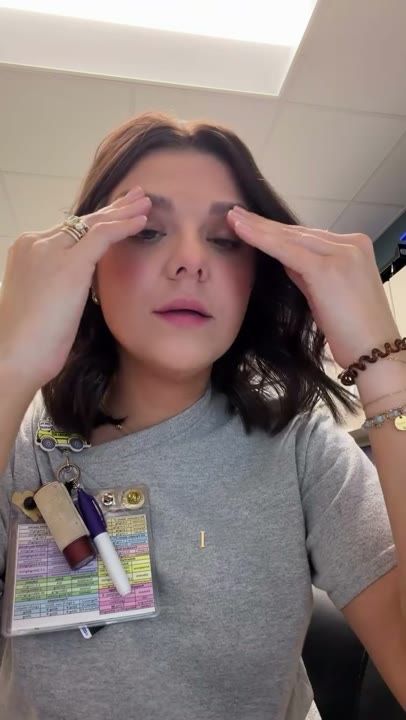
- The creator sits in a workplace with both hands covering the face, then reveals the face and presses fingertips against the temples by 1 second.
- On-screen text
- “I / that / voicemail”
- Spoken line
- “I'm so tired that I just left a voicemail”
- Sound
- The creator speaks about being tired and leaving a patient voicemail; no music is identified in the supplied evidence.
Script beats
Hands cover the face, then move to the temples as the creator begins a tired workplace confession.
Make frustration immediately visible and introduce a relatable mistake
The creator continues setting up the voicemail story and reaches toward the desk phone.
Transition from confession into a reenactment that promises a specific payoff
Holding a phone receiver, the creator reenacts a routine callback message that unexpectedly ends with a prayer and amen.
Deliver the joke through a sudden switch from professional language to a familiar prayer ending
The creator turns away after the reenactment and pauses.
Give the embarrassing mistake room to land
The creator jokes that the caller wanted medicine and received the ultimate healer.
Add a second punchline that connects the prayer to the original request
The creator jokes about quitting the job and asks viewers to follow so influencing could become the next career.
Turn self-deprecation into a contextual follow request
A final pause and the line about Jesus taking the wheel close the story.
Finish with a callback to the religious language in the voicemail
Why it works
- visible emotion. The face-covering gesture communicates exasperation before viewers need to understand the story.
- self-recognition. A tired professional making a verbal mistake is an accessible workplace situation.
- unresolved story. The voicemail confession makes viewers want to hear what went wrong.
- unexpected language switch. A conventional professional message ends like a prayer, creating the central comic surprise.
How to adapt it
- Everyday frustration. For a planning app, open with exhaustion after forgetting a meeting; for a cleaning product, cover your face after discovering a spill.
- Mistake to reenact. Reenact searching every drawer for keys before showing a key tracker, or packing a leaking lunch before revealing a sealed container.
- Product's role. After the comic mistake, demonstrate the app reminder, tracker alert, or container seal that addresses the specific problem.
- Setting and prop. Replace the workplace phone with a kitchen counter and lunch bag, a desk and calendar, or an entryway and keys.
- Keep intact.
- Start with an immediately readable gesture of frustration
- Name the specific mishap early so viewers know what story they are waiting to hear
- Show the mistake through a brief reenactment
- Let the unexpected ending land before adding another joke or product reveal
Pattern template
[Hands over face] → 'I'm so [emotion] that I just [specific mishap]' → reenact [mistake] → [unexpected payoff] → [optional relevant product solution].
Keywords and tags
- Audience
- People who relate to fatigue and embarrassing verbal mistakes at work
- Angles
- Relatability, Humor, Curiosity
- Call to action
- So if you don't mind following hopefully I can be an influencer now
- Sound
- Voice only
Video and caption by @typebrimom; original post on Instagram. Breakdown by UGC Growth Engineer, added .